Aquatic Plants complete guide
Java Fern Complete Guide
Java Fern is a durable rhizome fern for low-tech aquariums and hardscape planting. In the aquarium, it is grown for tough green leaves growing from a creeping rhizome; care is built around low to moderate light, CO2: not needed, steady nutrients, and routine trimming or thinning.
Care snapshot
Java Fern at a glance
Quick Answer
Java Fern is a durable rhizome fern for low-tech aquariums and hardscape planting. Give it low to moderate light, stable freshwater conditions, and enough space for its natural growth habit.
The easiest path is to place it according to its role: attached to wood or rock; rhizome exposed. Keep new plants stable during the first week and avoid constant replanting while they adjust.
The most common mistakes are poor placement, too much shade, inconsistent nutrients, and ignoring the way the plant naturally propagates: rhizome division and plantlets on leaves.
What Is Java Fern?
Java Fern is sold in the aquarium trade under the scientific or trade name Microsorum pteropus. Java Fern is a true fern, not a rooted stem plant, so it prefers attachment over deep planting.
In aquariums, it is valued for tough green leaves growing from a creeping rhizome. That visual role matters because a plant that looks great as a background curtain may not work as a foreground carpet, and a floating plant needs different maintenance than a rooted stem.
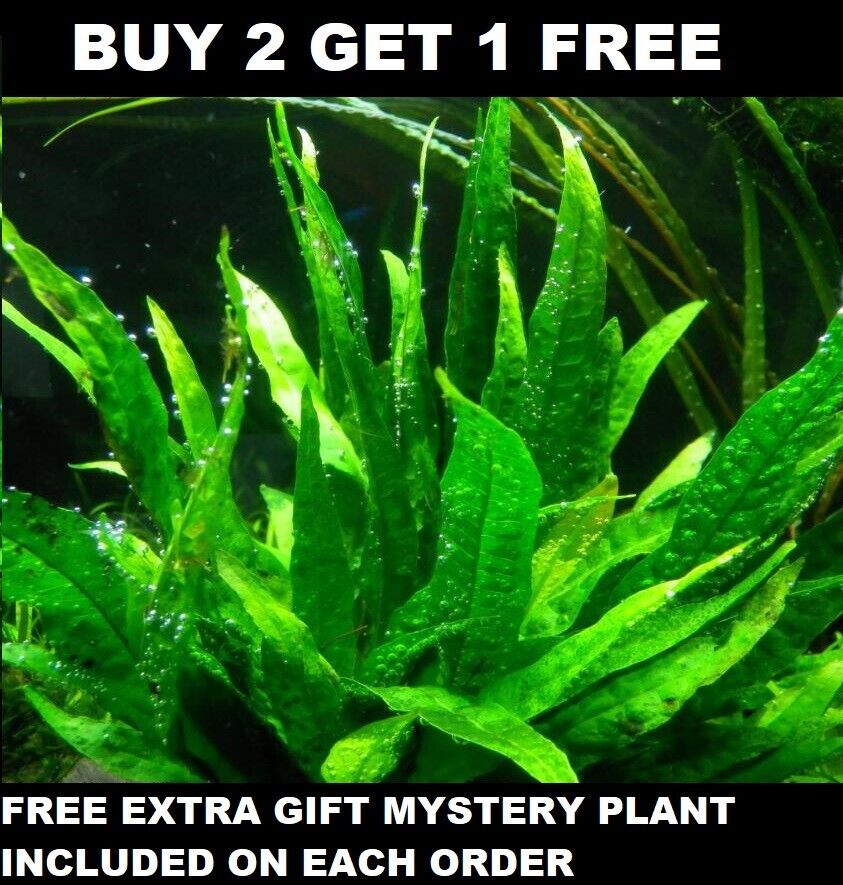
Use the listing photos as a guide to the form being sold, but expect normal variation in size, color, leaf shape, and density from one shipment to another.

Why Aquarists Use Java Fern
Java Fern gives planted tanks a specific texture: tough green leaves growing from a creeping rhizome. It can make a simple aquarium feel more established and gives fish or shrimp more surfaces to explore.
It is especially useful when its natural growth habit matches the layout. A durable rhizome fern for low-tech aquariums and hardscape planting.
Like most live aquarium plants, it also helps occupy nutrients that algae would otherwise use. Healthy growth is not a substitute for maintenance, but it is part of a more stable planted tank.
Aquascaping with Java Fern
Attach Java Fern to driftwood, stone, or shaded hardscape. Use it as a long-lived anchor plant while faster stems fill around it.
Think about height, texture, and shadow before planting. A plant with tough green leaves growing from a creeping rhizome should be placed where that texture can be seen without blocking everything behind it.
For a cleaner layout, plant or place it in a deliberate group. Random single pieces can look messy, while a grouped mass reads as an intentional aquascape feature.
Plants to Pair with Java Fern
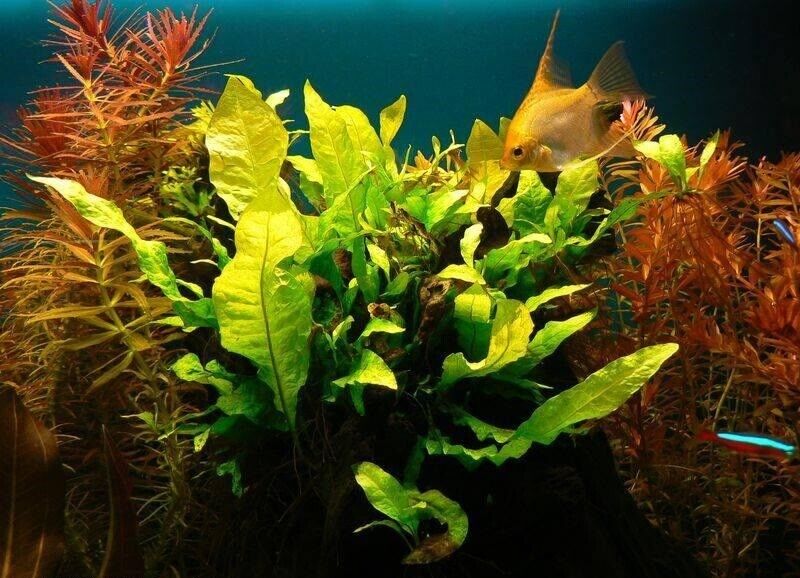
Pair with Anubias, mosses, swords, Jungle Val, and Pearl Weed. Its broad leaves contrast with fine stems and floating roots.
A good pairing mixes leaf shapes and growth speeds. Slow rhizome plants add structure, fast stems add movement, and floaters or mosses add cover when used with restraint.
Avoid pairing it with plants that need the opposite light level or with aggressive surface cover that blocks the light it needs.
Before You Buy Java Fern
Check the current listing for portion size, photos, shipping method, and live-arrival terms. Affiliate listings can change, so the listing page is the source for current price and availability.
Decide whether Java Fern fits your actual tank. The best plant is not always the rarest one; it is the one whose light, size, and maintenance needs match your aquarium.
If your tank is very new, plan for an adjustment period. Recently shipped plants often need time to transition before they show their best growth.
Shipping, Unpacking, and First-Week Recovery
Open live aquarium plants soon after delivery. Rinse gently in dechlorinated water, inspect for damaged portions, and remove anything fully mushy or foul-smelling.
Some bent leaves, loose stems, pale older growth, or emersed-to-submerged transition is normal. Keep firm healthy tissue and give the plant stable conditions before judging it.
Quarantine is the most cautious practice for any live plant, especially when buying from a seller you have not used before.
Planting and Placement
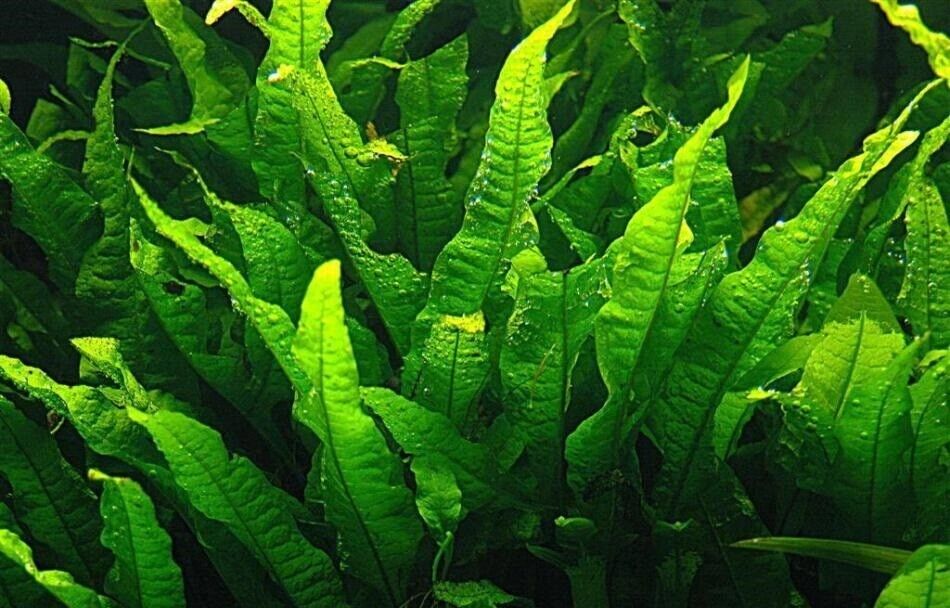
Place Java Fern according to its habit: attached to wood or rock; rhizome exposed. For rooted plants, avoid crushing crowns or burying rhizomes. For floating plants, keep surface movement gentle enough that leaves are not constantly submerged.
If the plant arrives as stems, separate it into smaller groups before planting. If it arrives as a rhizome, attach it to hardscape or leave the rhizome above the substrate.
Never bury the rhizome. Black spots can be normal spore structures, but melting rhizomes are a problem.

Light, CO2, and Nutrients
Java Fern generally wants low to moderate light. More light can improve color or compactness for some plants, but too much light without balance can invite algae.
CO2 guidance: Not needed. Plants that do not require CO2 can still grow better with it, but stable low-tech care is often enough for beginner-friendly species.
Use a consistent fertilizer routine if the tank is lightly stocked or growth looks pale. Rooted rosette plants may also benefit from root tabs or nutrient-rich substrate.
Water Parameters and Flow
A practical temperature range for Java Fern is 68-82 degrees F. Stability is more important than chasing a perfect number.
Gentle to moderate flow helps carry nutrients and CO2 across leaves. Very strong direct flow can uproot new stems, tumble floaters, or pack debris into mosses.
When troubleshooting, look at the whole system: light duration, nutrient availability, flow, stocking, water changes, and how recently the plant was shipped.
Trimming and Maintenance
Trim or thin Java Fern before it shades itself or neighboring plants. Fast growers need regular attention, while slow rhizome plants need selective removal of old leaves.
For stem plants, replant healthy tops to refresh the group. For mosses and floaters, remove extra growth in small batches so the tank does not swing suddenly.
Do not let dead leaves sit in the aquarium. Removing stressed tissue keeps the plant group cleaner and makes it easier to see new growth.
Propagation
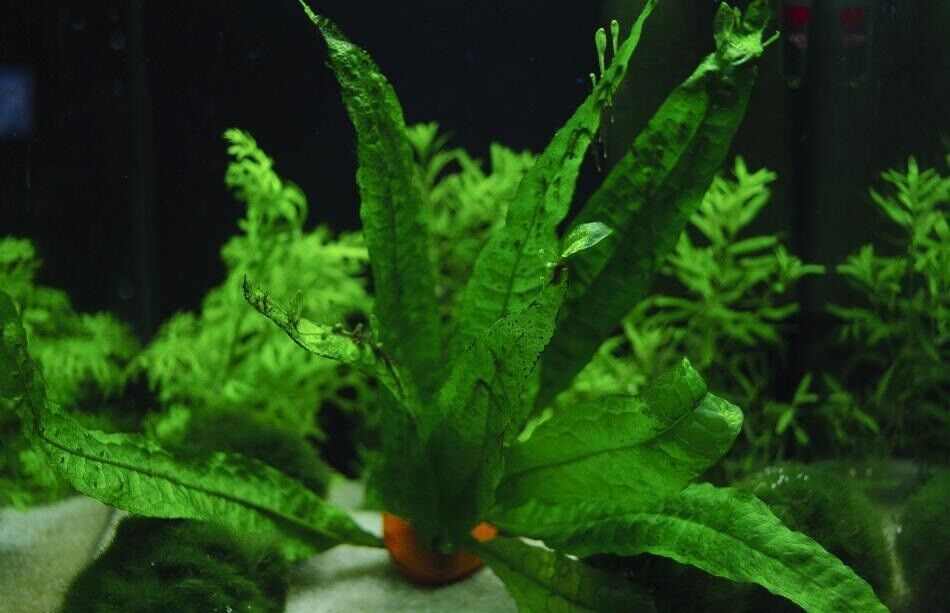
Java Fern propagates by rhizome division and plantlets on leaves. Once the plant is established, propagation is usually part of normal maintenance.
Use only healthy material for propagation. Pale, melting, algae-covered, or damaged portions are better removed than spread around the tank.
Give new plantlets, cuttings, or divisions time to anchor before major rescapes or heavy trimming.
What's Normal vs. What's a Problem
Normal: mild shipping stress, a few damaged leaves, color change after lighting changes, and a short pause before new growth.
Worth fixing: transparent melt spreading through the plant, repeated uprooting, heavy algae on new growth, or a complete lack of new growth after the adjustment period.
Most issues come back to light, placement, nutrients, flow, or disturbance. Correct one variable at a time so you can tell what helped.
FAQ
Frequently asked questions
Is Java Fern good for beginners?
Beginner is the realistic difficulty level. It is beginner-friendly when its light and placement needs match the tank.
Does Java Fern need CO2?
Not needed. CO2 can improve growth for many aquarium plants, but it is not always required for healthy low-tech care.
Where should I place Java Fern?
Use it as: Attached to wood or rock; rhizome exposed. That placement fits the plant's natural growth habit and makes maintenance easier.
Why does Java Fern look different after shipping?
Live plants can bend, pale, shed older leaves, or transition from emersed to submerged growth. Firm healthy new growth matters more than a perfect first-day appearance.
References
Care information was checked against these plant references and the active Bishop Aquatics listing.
- Kew Plants of the World Online: Microsorum pteropus taxonomy and botanical naming reference
- GBIF Species Search: Microsorum pteropus occurrence and taxonomy lookup
- University of Florida IFAS Center for Aquatic and Invasive Plants: Aquatic plant identification and biology reference
- Suggested eBay listing: Java Fern affiliate listing used for current photos and availability