Cacti complete guide
Echinopsis Oxygona Complete Guide
Echinopsis oxygona, commonly called Easter Lily cactus, is a clumping, ribbed cactus known for large fragrant night-blooming flowers. It is a strong container cactus when grown in bright light, fast-draining soil, and a dry winter rhythm.

Care snapshot
Echinopsis oxygona at a glance
Quick Answer
Echinopsis oxygona is a compact, clumping cactus best known for large trumpet-shaped flowers that open at night and can be strongly fragrant. It wants bright light, a gritty draining potting mix, and watering only after the soil has dried.
If your plant arrives bare-root, pot it in dry cactus mix, keep it in bright indirect light for the first few days, and avoid heavy watering while disturbed roots recover.
The two biggest care mistakes are treating it like a leafy houseplant and keeping it too wet in cool or low-light conditions. It blooms best when grown bright during the growing season and given a slightly cooler, drier winter rest.
What Is Echinopsis Oxygona?
Echinopsis oxygona is an accepted cactus species in the family Cactaceae. Kew Plants of the World Online lists its native range from southern Brazil to northeastern Argentina, where it grows as a succulent subshrub in the subtropical biome.
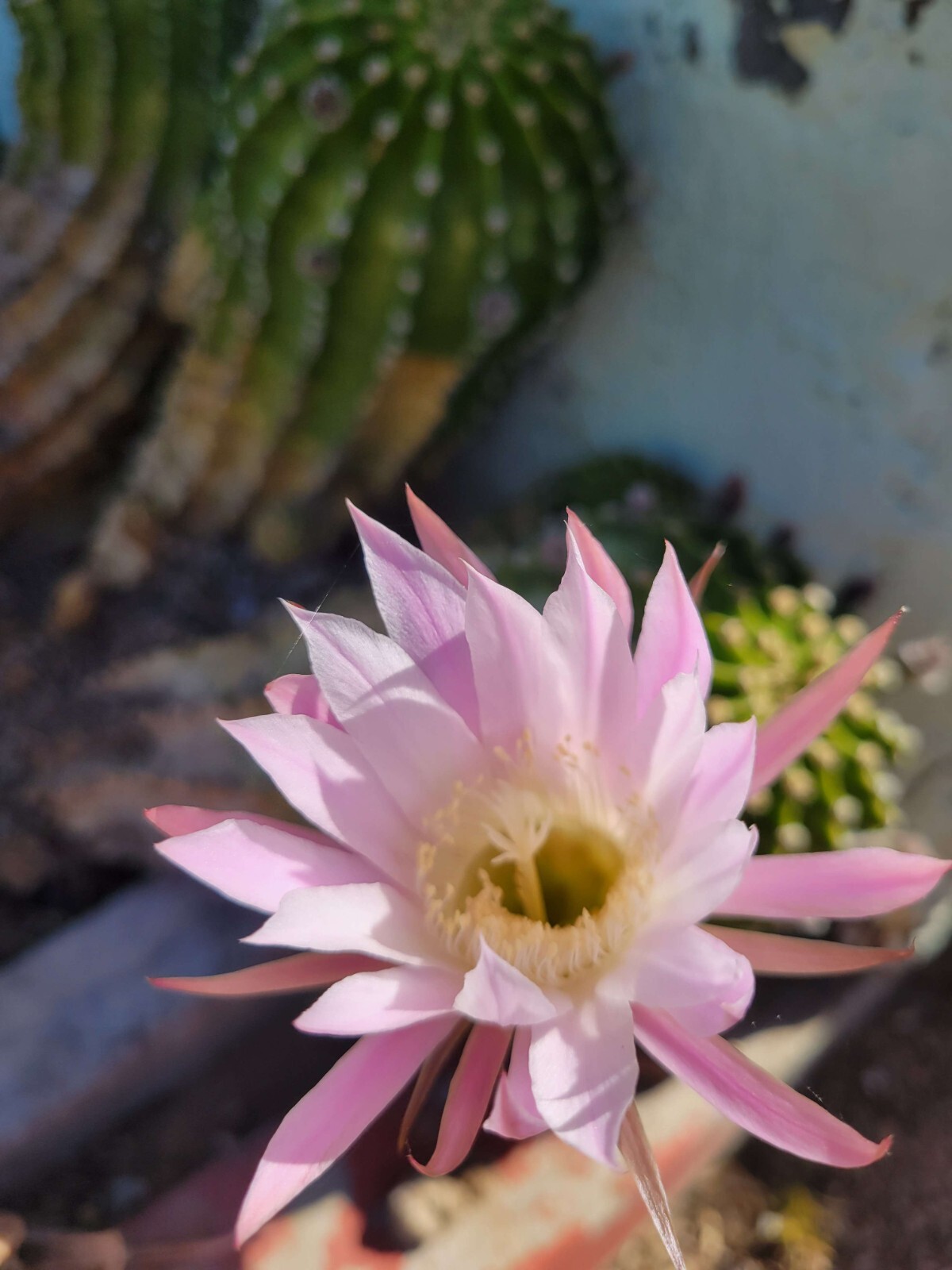
The plant is commonly called Easter Lily cactus because mature plants can produce dramatic funnel-shaped flowers that look lily-like compared with the round, ribbed cactus body.
North Carolina Extension describes Easter Lily cactus as a clumping or mat-forming cactus with short rounded to cylindrical ribbed stems, small dark spines, and showy white to pink flowers that open in the evening.

Easter Lily Cactus, Sea-Urchin Cactus, and Name Confusion
Echinopsis oxygona appears under several common names, including Easter Lily cactus, pink Easter Lily cactus, night-blooming hedgehog cactus, and sea-urchin cactus. These names usually point to the same general plant: a low clumping Echinopsis with large night flowers.
Older botanical names and nursery names can also create confusion. IPNI records Echinopsis oxygona with the basionym Echinocactus oxygonus, and extension references note previous names such as Echinocactus oxygonus and Echinopsis multiplex.
For buyers, the practical name to remember is Echinopsis oxygona. Use the product photos to judge the exact plant form, size, offsets, and spine character because seed-grown and offset-grown plants naturally vary.

Before You Buy Echinopsis Oxygona
This cactus is a good fit if you want a manageable potted cactus that can stay compact while still offering major flowers once mature.
It is not ideal for a dark shelf, a sealed terrarium, or a pot with no drainage. It needs bright light and air around the roots.
Bishop Aquatics sells this listing as one live Easter Lily cactus plant, approximately 3-4 inches, shipped bare-root. Blooming depends on maturity and growing conditions, so buy it as a live cactus first and think of flowers as the long-term reward.
Shipping, Unpacking, and Bare-Root Arrival
Open the package soon after delivery and remove packing material carefully. Echinopsis oxygona has spines, but they are usually easier to manage than glochid-heavy Opuntia relatives; still, use gloves or folded paper if needed.
A bare-root cactus may look a little dry after shipping. That is usually safer than arriving wet, because dry roots and dry cactus tissue tolerate transit better than soggy soil.
Inspect the plant for soft black areas, a sour smell, or collapsing tissue. Firm ribs, natural scars, dry root tips, and slight wrinkling after transit are much less concerning.

First 7 Days After Arrival
Day 1: unpack, inspect, and keep the cactus dry in bright indirect light. Do not place a boxed plant straight into harsh afternoon sun.
Days 2-3: prepare a small container with drainage and dry gritty cactus mix. If roots were disturbed or trimmed, a dry period lets tiny wounds seal.
Days 4-7: pot the cactus at the same general depth it was growing before shipping. Keep the body above the soil line, stabilize the roots, and wait before watering heavily.
Potting a Bare-Root Easter Lily Cactus
Use a pot with drainage holes and a cactus mix that dries quickly. A small pot is better than an oversized pot because extra soil stays wet longer than the roots can use it.
Hold the cactus with gloves, tongs, or a folded strip of paper. Set roots downward, backfill gently, and keep the crown and lower ribs from sitting below the soil surface.
After potting, give the plant bright shade or gentle morning light while it settles. Water lightly only after the cactus has had time to recover and the weather is warm enough for active root growth.

Light and Placement
Echinopsis oxygona grows well in full sun to partial shade. North Carolina Extension notes that it appreciates some protection from afternoon sun, which is especially relevant in hot desert climates.
Indoors, place it in your brightest window or under a strong grow light. A plant that leans, stretches, or grows pale is asking for more light.
Outdoor plants should be acclimated gradually. Morning sun is safer than sudden all-day exposure after shipping, indoor growing, or winter shade.
Soil and Pot Choice
Use a gritty cactus or succulent mix with excellent drainage. Good ingredients include pumice, perlite, lava rock, coarse sand, and other mineral material that keeps the root zone airy.
Avoid dense potting soil that stays wet around the roots. The cactus body stores water, so the soil should provide support and quick dry-down rather than constant moisture.
Terra cotta is useful because it breathes and dries faster, but plastic can work if the mix is open and the pot has drainage. The best pot is stable, shallow enough to dry, and sized close to the root mass.
Watering Echinopsis Oxygona
During warm active growth, water deeply and then let the pot dry before watering again. This is not a plant for frequent small sips.
The Bishop listing and extension care guidance both point toward a dry-down rhythm: water thoroughly, then wait. In winter or cool low-light conditions, reduce watering sharply.
Slight rib wrinkling can happen during dry periods. Soft translucent tissue, blackening at the base, or a wet smell are stronger warning signs than temporary dryness.

Temperature, Hardiness, and Winter Rest
North Carolina Extension lists Echinopsis oxygona for USDA zones 8b to 11b and notes that it can withstand a light frost if kept dry. The University of Arizona Campus Arboretum lists it as hardy to about 20 degrees F in appropriate conditions.
Container plants are more exposed than in-ground plants, so protect potted specimens from hard freezes and cold wet weather.
A cooler, drier winter rest can help encourage blooming later. The goal is not neglect; it is a bright, dry, lower-growth period that avoids forcing weak winter growth.
Flowers and Blooming
Echinopsis oxygona is grown largely for its flowers. Mature plants can produce large white to pink, funnel-shaped blooms on long woolly floral tubes.
The flowers usually open in the evening and may last into the next morning or following day depending on temperature. North Carolina Extension notes that mature plants can sometimes produce many blooms at once.
For best flowering, give the cactus strong light, avoid overpotting, reduce winter watering, and be patient. A young or recently shipped plant may need time to root, grow, and reach flowering strength.

Indoor vs. Outdoor Growing
Indoors, Echinopsis oxygona can be grown as a bright-window cactus. It needs more light than most foliage houseplants and should not sit in a decorative cachepot that traps water.
Outdoors, it works well on patios, balconies, and in rock-garden style containers. In very hot areas, morning sun with afternoon shade is often better than exposed all-day summer sun.
If moving the plant outdoors for the warm season, transition it gradually over a week or two. Sudden light changes can scar cactus skin.
Growth Habit and Offsets
Echinopsis oxygona is naturally clumping. Over time, it can form a cluster of rounded to short cylindrical ribbed stems around the base.
Offsets are normal and usually a sign of a maturing plant. They can be left in place for a fuller specimen or separated later for propagation when they are large enough.
The plant stays more attractive when given enough light. Low light can produce weak, stretched growth that does not match the compact ribbed look people expect from Easter Lily cactus.
Repotting and Long-Term Maintenance
Repot when the plant is crowded, unstable, or the soil has broken down and stopped draining well. Warm active-growth weather is the easiest time.
Let the mix dry before repotting, then handle the plant carefully by the root ball, pot, or with folded paper around the cactus body.
After repotting, wait several days before watering if roots were disturbed. This dry recovery period reduces the chance of rot entering small root wounds.
Propagation
Echinopsis oxygona can be propagated by offsets and seed. Offsets are the easiest option for most growers.
Remove an offset only when it is large enough to handle. Let any cut surface dry and callus before potting it into dry gritty mix.
Seed propagation is possible, but seedlings take longer to reach display size and flowering maturity.
Fertilizer
Easter Lily cactus does not need heavy fertilizer. Use a diluted cactus fertilizer during active growth if you want to feed.
Do not fertilize a stressed bare-root arrival. Wait until the plant is rooted, stable, and growing.
Avoid high-nitrogen feeding that pushes soft growth. Compact, firm growth is better than fast weak growth.
Plants to Pair with Echinopsis Oxygona
Echinopsis oxygona pairs well with other bright, dry-growing cacti and succulents, including Pinecone cactus, Eve's Needle, Moroccan Mound, small agaves, aloes, and compact Opuntia forms.
It works especially well beside upright or segmented plants because its round ribbed stems create a different texture in the same dryland display.
Separate pots are usually easiest. If you use a shared planter, every plant in it should want strong light, fast drainage, and a dry-down watering rhythm.
Common Problems
Root rot is the main serious issue. It usually comes from wet soil, a pot without drainage, cold wet winter conditions, or watering too soon after bare-root shipping.
Sunburn can happen when a plant moves from shipping box or indoor light straight into harsh sun. Acclimate gradually.
Mealybugs, spider mites, and scale can appear on stressed cactus plants. North Carolina Extension specifically notes monitoring for spider mites and mealybugs.
Failure to bloom is usually about maturity, light, season, or winter rhythm. A healthy non-blooming cactus often needs more time, stronger light, or a better rest period.
What's Normal vs. What's a Problem
Normal: dry root tips after shipping, firm ribs, small scars, short spines, clumping offsets, and flowers that last only a short time.
Worth watching: soft dark tissue, a collapsing base, pests near areoles, severe stretching, or a pot that stays wet for days.
Usually fixable: mild shipping dryness, a too-small pot, gradual light acclimation needs, or slow growth during winter rest.
Common Beginner Mistakes
Watering immediately and heavily after bare-root arrival is the most common mistake. Let the plant settle in dry mix first.
Using regular potting soil without mineral drainage keeps roots wet too long.
Assuming no bloom means the plant is unhealthy can lead to overcorrection. Many Echinopsis plants need maturity, strong light, and seasonal rhythm before flowering.
Skipping light acclimation can mark the cactus permanently with sunburn.
Seasonal Care
Spring is the time to increase light, resume watering carefully, and watch for new growth and flower buds.
Summer care depends on heat. Give strong light, but consider afternoon shade in very hot climates. Water only after the pot dries.
Fall is the transition into less water. Winter should be bright and comparatively dry, especially if temperatures are cool.
Spines, Pets, and Placement Safety
Echinopsis oxygona has short spines. They are generally not as troublesome as glochids, but they can still poke skin and pets.
Keep the cactus out of high-traffic paths and away from places where pets or children will brush against it.
Use gloves, folded paper, or tongs for repotting. Protecting the plant from fingerprints and bruising is just as useful as protecting your hands.
Buying Echinopsis Oxygona from Bishop Aquatics
Bishop Aquatics sells Echinopsis oxygona as a live bare-root Easter Lily cactus through our product page. Current photos, price, and availability are handled through the active listing.
Our listings ship with USPS Ground Advantage and normally go out the next business day. Federal holidays and carrier schedules can affect transit timing.
FAQ
Frequently asked questions
Is Echinopsis oxygona the same as Easter Lily cactus?
Yes. Easter Lily cactus is a common name for Echinopsis oxygona, a clumping cactus known for large night-blooming flowers.
How much light does Echinopsis oxygona need?
Give it full sun to very bright light, with afternoon shade in very hot climates or during acclimation.
Should I water it right after bare-root shipping?
No. Pot it in dry gritty cactus mix, let disturbed roots settle, and avoid heavy watering immediately after arrival.
What soil should I use?
Use a fast-draining cactus mix with added mineral material such as pumice, perlite, coarse sand, or lava rock.
How often should I water Easter Lily cactus?
Water deeply during warm active growth, then let the pot dry before watering again. Water much less in winter.
When does Echinopsis oxygona bloom?
Mature plants usually bloom in spring to summer, often opening flowers in the evening and lasting into the next morning.
Why is my cactus not flowering?
It may be too young, too shaded, overwatered, overpotted, or missing a cooler drier winter rest period.
Can Echinopsis oxygona grow indoors?
Yes, if it gets a very bright window or strong grow light and a potting mix that dries quickly.
Is Echinopsis oxygona cold hardy?
It can tolerate some cold when kept dry, but potted plants should be protected from hard freezes and cold wet soil.
Can I propagate Easter Lily cactus from offsets?
Yes. Let separated offsets callus before potting them into dry gritty mix.
References
Care information was checked against these plant references and the active Bishop Aquatics listing.
- Kew Plants of the World Online: Accepted Echinopsis oxygona taxonomy, native range, biome, and conservation listing
- North Carolina Extension Gardener Plant Toolbox: Easter Lily cactus description, cultural conditions, flowering, propagation, and pest notes
- University of Arizona Campus Arboretum: Echinopsis oxygona origin, morphology, habitat, hardiness, and cultivation notes
- International Plant Names Index: Echinopsis oxygona publication details and basionym
- American Journal of Botany: Molecular phylogenetics of Echinopsis and related Cactaceae groups
- Botanical Journal of the Linnean Society: Research on cactus flower structure and tribe Trichocereeae
- Bishop Aquatics product page: Echinopsis oxygona Easter Lily cactus bare-root product page
- Bishop Aquatics eBay listing: Active Echinopsis oxygona Easter Lily cactus listing